
Energy Saving Mode
This screen reduces the screen power consumption when you are not active on our site.To resume navigation, move the mouse or press a point on the screen.
This site uses technical cookies necessary for its operation and analytical cookies, including third-party anonymised cookies, to carry out aggregate statistical analysis. By closing the banner you consent to the processing of your personal data through the categories of cookies mentioned.
For more information about the cookies in operation on the site you can consult our Cookie Policy.
Close
Cookie PolicyMECHANICAL VALVES FAMILY
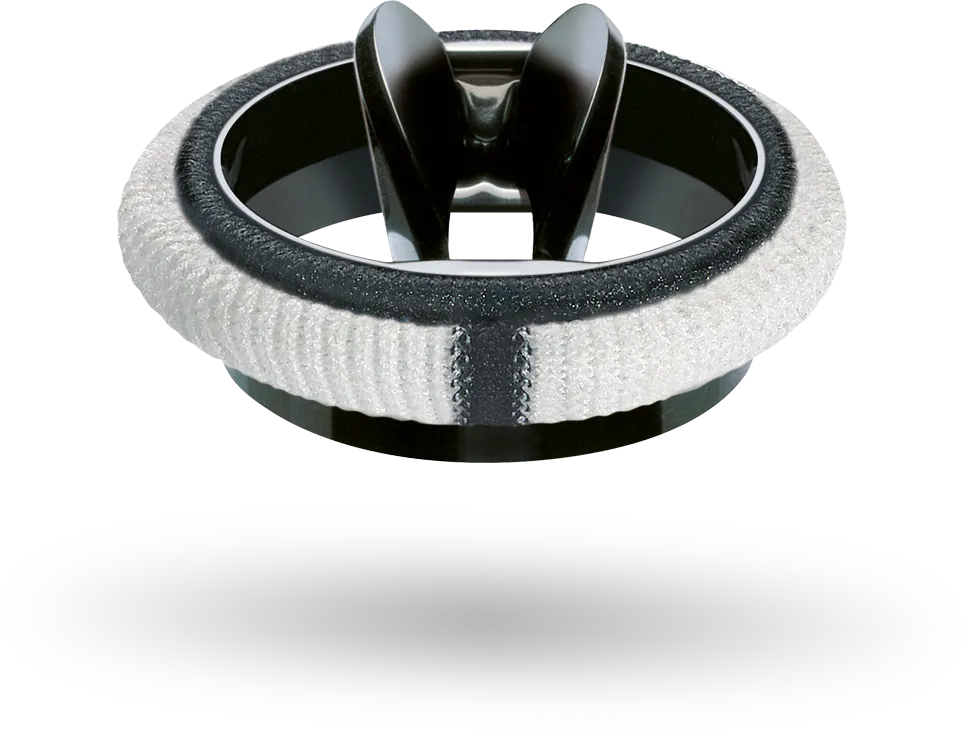
Bicarbon mechanical heart valves have been designed to offer an advanced solution to patients undergoing heart valve replacement. Moreover, Bicarbon valves are specifically designed to minimize thrombogenicity.1,2
Bicarbon aortic valves are the only mechanical valves supported by an independent clinical trial that shows the safety and effectiveness of a lower INR regimen of 1.5 to 2.5 without aspirin in low-risk patients2 undergoing isolated aortic valve implantation.2
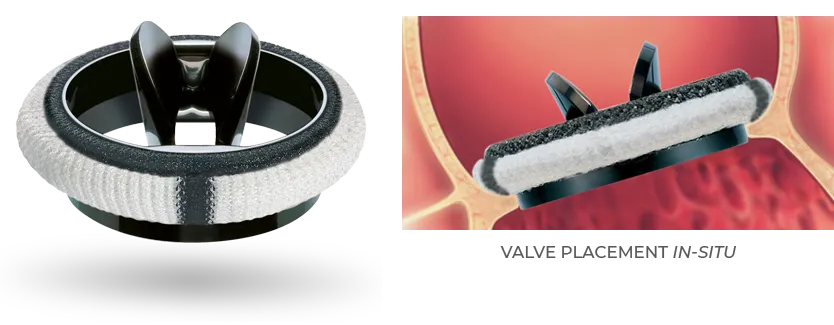
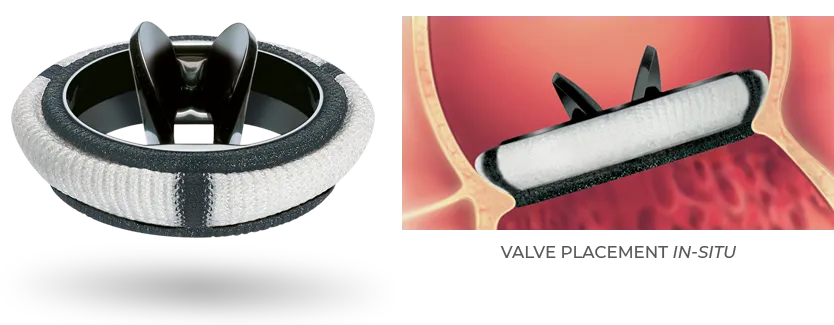
Bicarbon is the only valve on the market that features a Titanium housing coated with CarbofilmTM, Corcym’s coating technology, that enhances hemocompatibility, minimizes risk of pannus formation, and favors gentle tissue ingrowth.3,4

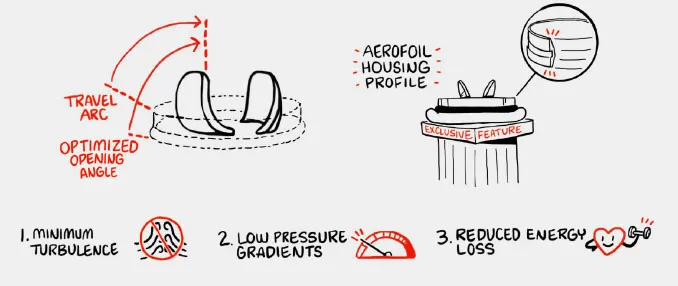
The Bicarbon mechanical heart valve is designed with curved leaflets and an optimized opening angle of 80 degrees. These features together with its unique aerofoil housing profile promote laminar blood flow, resulting in reduced shear stress and hemolysis3, and a lower risk of clots.5
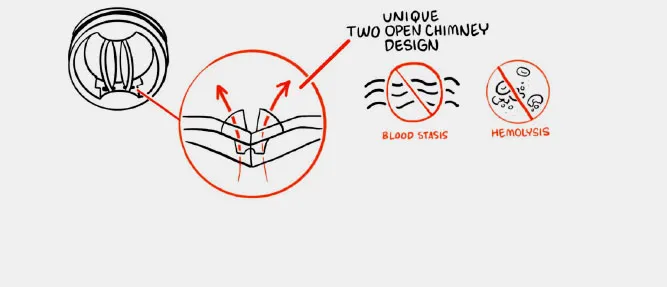
The unique open-chimney design ensures efficient passive washing of the hinges, which, combined with the other features, contributes to an extremely low thrombogenicity.1,2
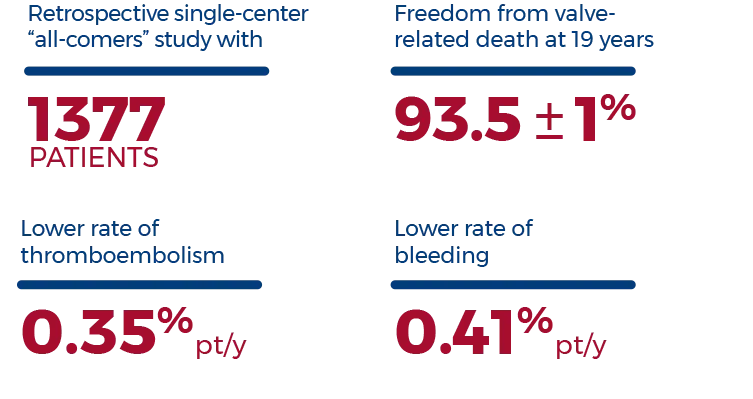
The long-term performance of CORCYM Bicarbon mechanical valves has been very good, as highlighted by their reliable outcomes over a cumulative follow-up period of 17,653 patient-years.6

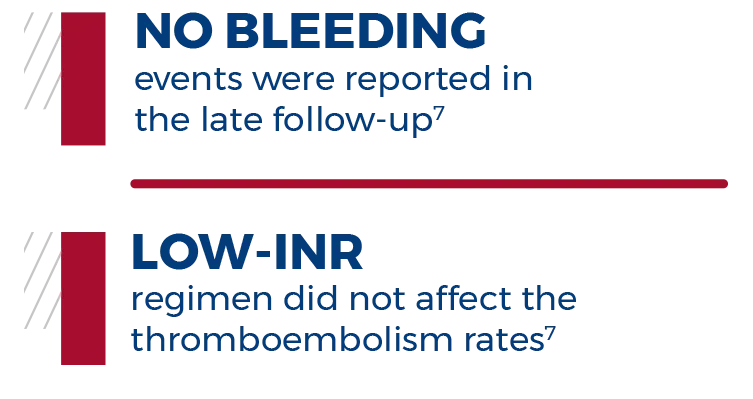
This study involved 108 patients included in SURE-AVR, a prospective, multinational registry, who were assigned to a low-INR regimen (1.5-2.5) after discharge, mean INR at discharge was 1.8±0.5 and 2.2 ±0.4 at 1 year.7

© 2024 Corcym Group. All rights reserved.
Designed and developed by Kaffeina.it


